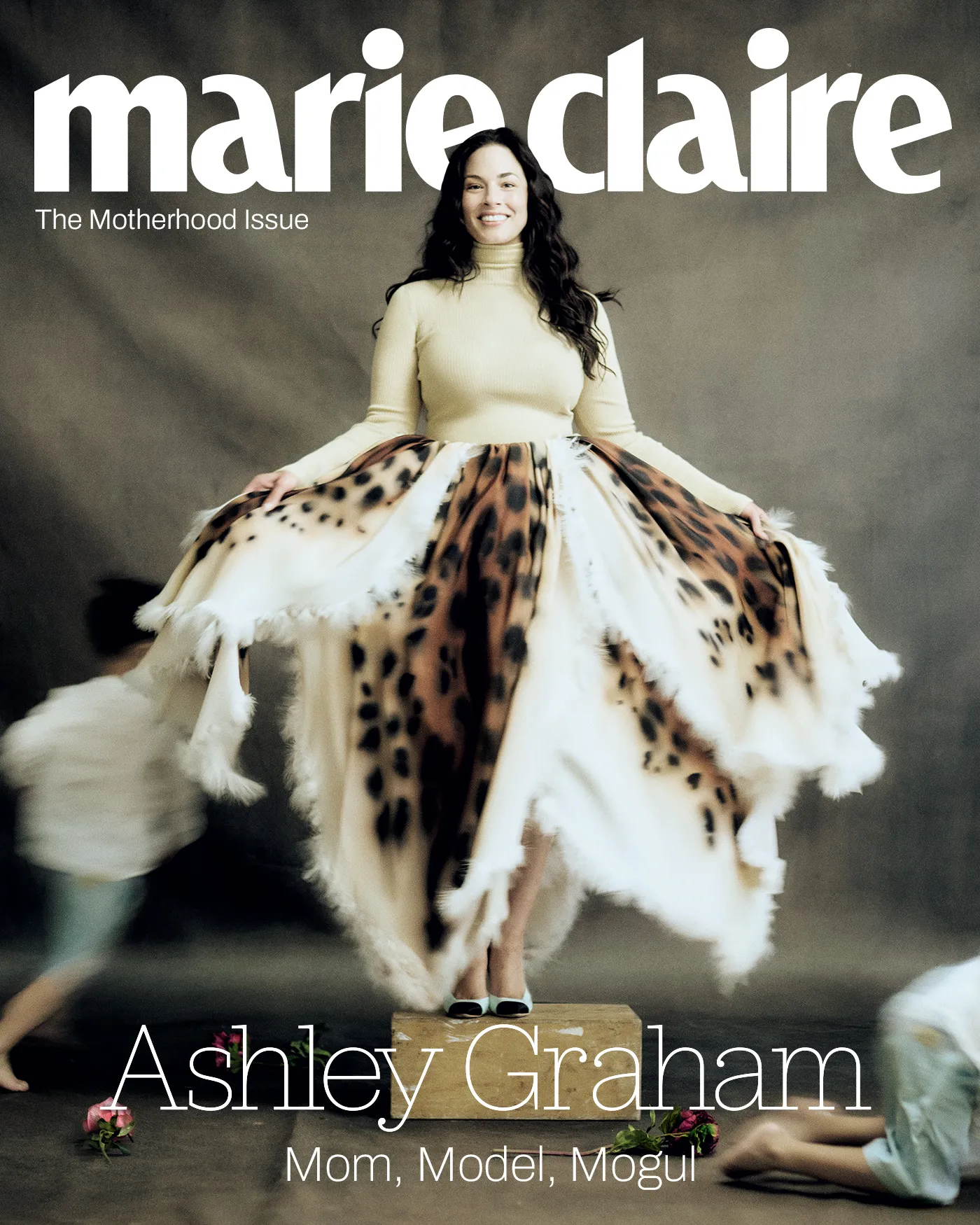
Why Maternity Clothes Just Don't Deliver
Marie Claire's senior fashion news editor knew dressing for her changing pregnancy body wouldn't be easy. But when she took a closer look at the state of maternity fashion, she realized she'd underestimated just how hard this personal style era would be.

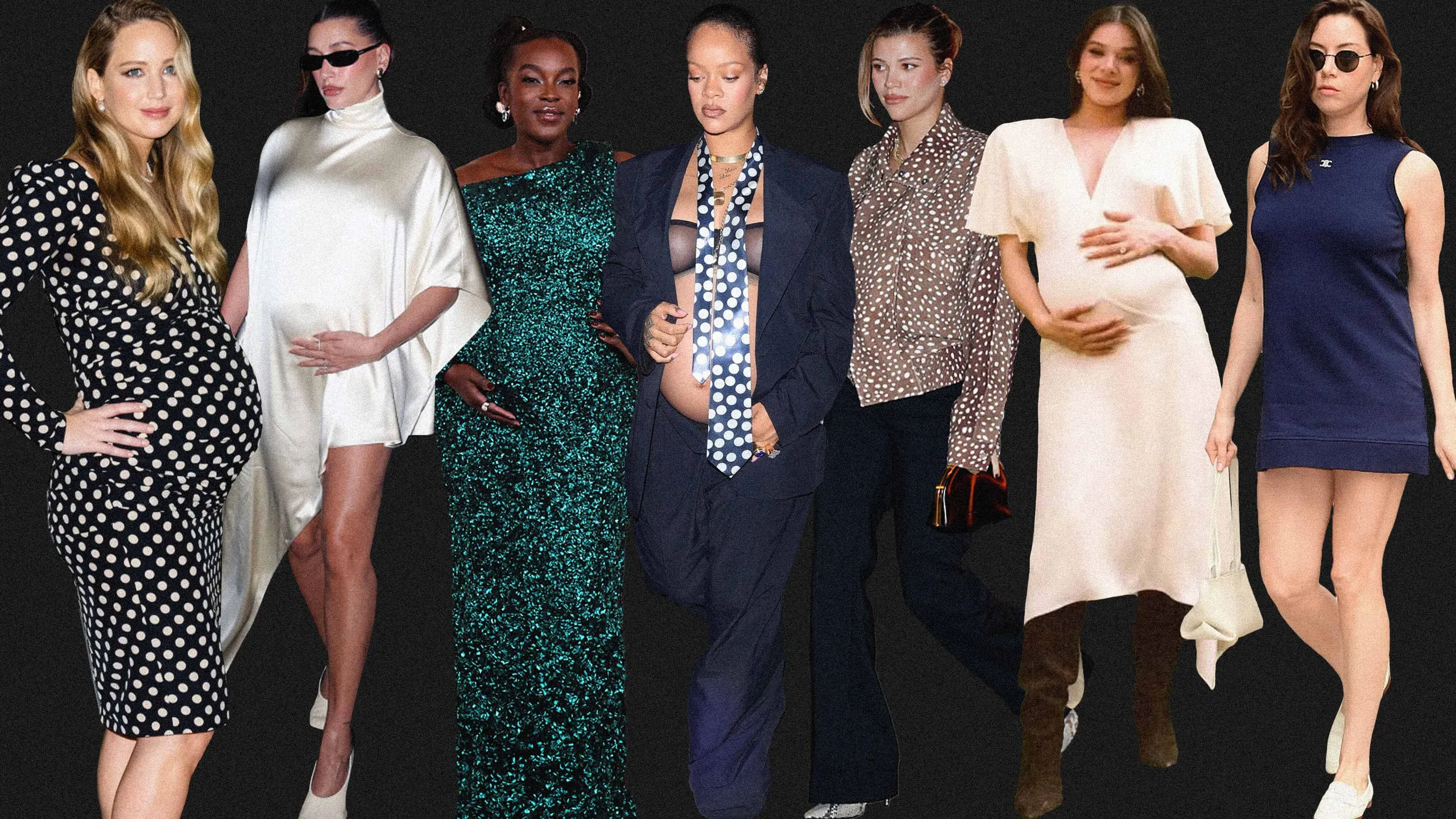
The famous moms made it look so easy. Rihanna, Hailey Bieber, Sofia Richie Grainge, Jennifer Lawrence, Hailee Steinfeld—when they were ready to share their pregnancies, they also shared a maternity style that felt refreshing, boundary-breaking, and dare I say, cool. They wore crop tops and low-slung pants; they treated their baby bumps as accessories to rival their designer bags. For me, a fashion editor thinking about starting a family, these pictures were a promise: "Sure, you can still dress like yourself when you’re growing someone else."
Sixteen weeks into my first pregnancy, I tore those images down from my mental mood board. I admired that these women could show off their stomachs with pride—but they weren’t commuting to an office three days a week. My reality, my budget, and, frankly, my comfort level couldn’t follow their leads. So I set out on an in-person shopping mission to find something, anything with a maternity tag that I’d genuinely want to wear.
A department store, a denim-centric brand, a cool-girl workwear label: I left store after store frustrated there wasn’t a single maternity piece I could try on. I was even more irritated by the time and temporary credit card charges I’d racked up shipping pieces to my house, only to return them when I realized they didn’t fully cover my stomach or rolled down over my hips. (With my size and body type, "just size up" advice didn’t apply.) The result: not much that fit my body, which was changing by the day, nor my style.
I’m hardly the only person who’s learned "I have nothing to wear" is a pregnancy side effect. In TikToks and Instagram Reels, posted from suburban strip-mall parking lots and department store dressing rooms; in exasperated, meandering Reddit forums; in every conversation I’ve had with fellow moms-to-be from Atlanta to Boston, New York to Washington, D.C., I’ve heard echoes of my exact complaints. Options are limited to "MAMA" T-shirts; denim that functions for only two weeks of the three trimesters; or nothing at all. Giving up style just to get dressed during pregnancy feels like the first of many compromises on the road to motherhood. Our mutual frustration boils down to one question: What happened to all the good maternity clothes?
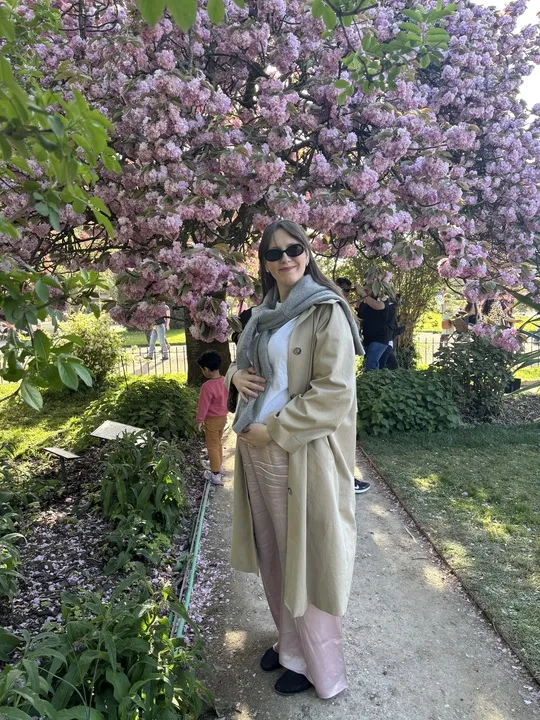
The author, 27 weeks pregnant, trying to style pieces she already owned (with mixed results).
For an industry built on creating garments for women’s bodies, fashion has always failed to show up the minute someone doesn’t fit the standard mold. Clothes tailored to pregnancy are yet another example of size-specific oversight. When options are scarce, women are pushed out of the personal style conversation just for living their lives. As moms like me are observing with every fitting-room selfie and unboxed order, the problem’s getting harder to ignore. Demand hasn’t disappeared, but the outward effort to meet it has.
For an industry built on creating garments for women’s bodies, fashion has always failed to show up the minute someone doesn’t fit the standard mold. Clothes tailored to pregnancy are yet another example of size-specific oversight.
Despite a U.S. maternity apparel market valued at $10.8 billion, "depleted" is the best word for the maternity market, according to Rebekah Kondrat, founding partner of Rekon Retail consultancy. Nationwide, mom-only labels (remember Destination Maternity?) are either bankrupt or online-only, shadows of their former selves. The retailers who technically stock inclusive options—from Old Navy’s affordable sets to Madewell’s denim—bury their scant maternity selection deep within their websites.
Large companies have largely retreated as a cost-saving measure. Hatch founder Ariane Goldman says maternity is often "first to go" from big retailers because it’s a "niche" category—never mind that there’s always someone out there who’s pregnant. Filling in the gap isn’t something the handful of dedicated stores leftover can do for every mom or every style. But they’re trying. "Try talking to investors when you run a maternity business," she says. "It's not easy, even though you know women are coming back every single year."
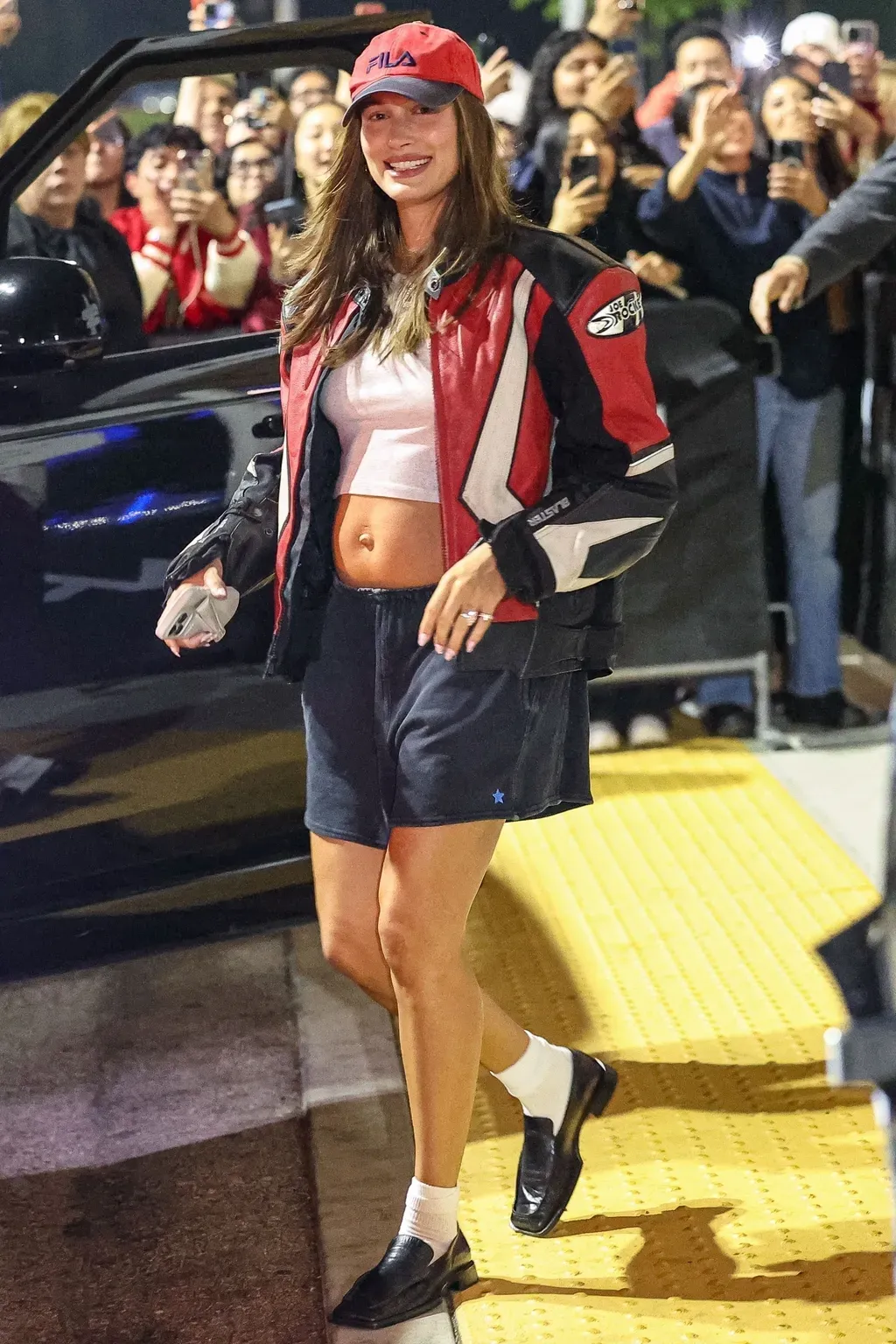
Hailey Bieber, pregnant with her son, Jack, and styling a crop top.
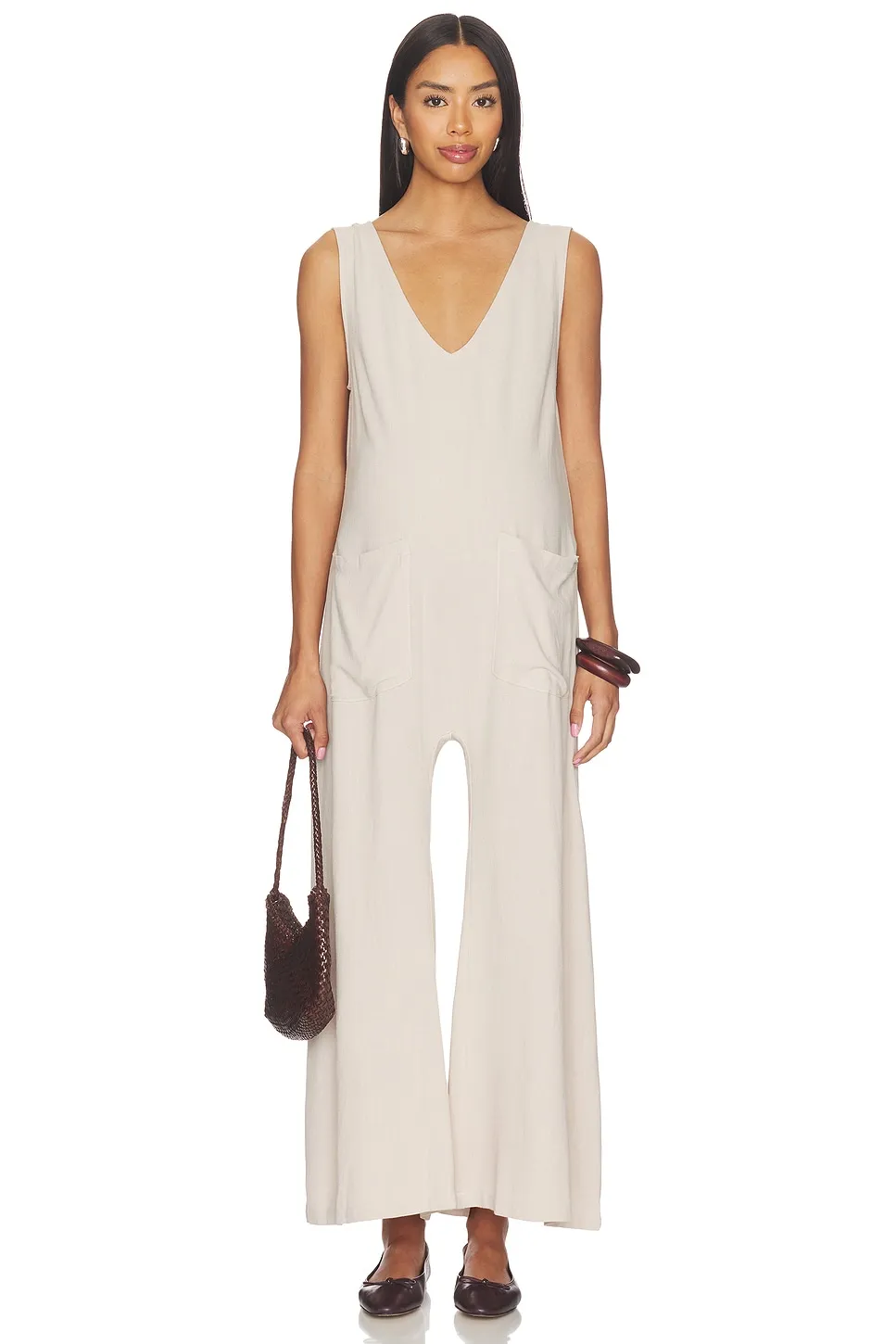
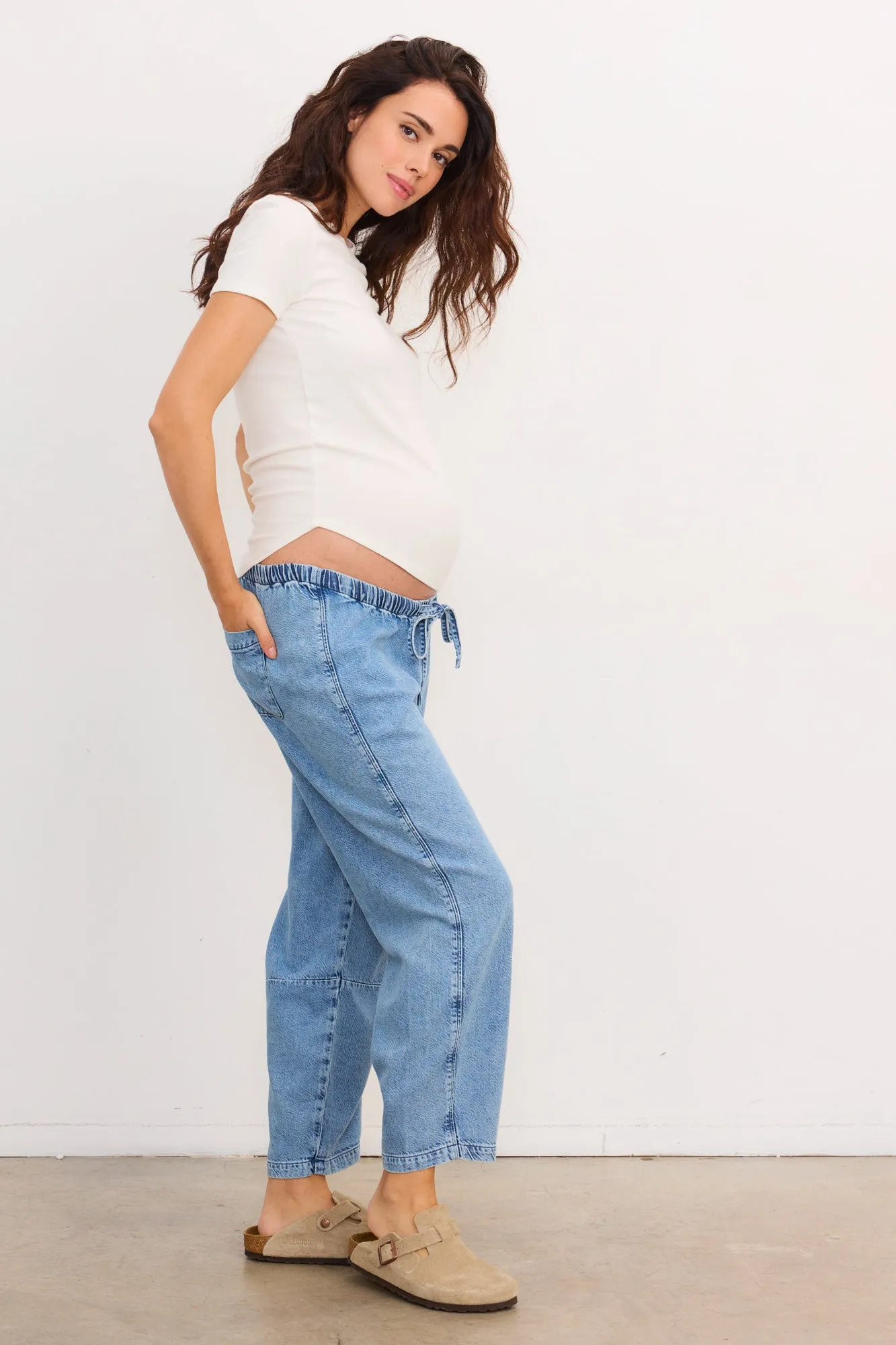
The few options we’re left with—basic jeans with side-panel extenders, floral wallpaper dresses, and home makeover montage overalls—aren’t exactly landing on best-dressed lists. "The maternity market and maternity style have not necessarily caught up with the trends," stylist and author Allison Bornstein agrees. She’s worked with several clients throughout their pregnancies, each of whom has felt frustrated by her limited options. "I feel there are some super-fitted jeans, or things that are really obviously stretchy for comfort, but it's not what people want to wear to feel cool."
At a time when fashion trends lean oversize and casual, brands have a convenient excuse when they’re asked where maternity went. Talk to an actual pregnant person, and it becomes clear some workarounds just aren’t working. "I've been told that jumpsuits, leggings, bike shorts, and overalls are life-savers, but they're just not my style," says Brooke Bunce, a NARS social media director and first-time mom-to-be. "I don't want to sacrifice feeling like myself in a time when so much else is changing."
For now, fashion’s leaving moms in a too-familiar position: figuring out our own solutions when the system falls short.
Hill House Home founder Nell Diamond spent her first pregnancy in all the second- and third-trimester staples she could find—and never touched them again. "I went through all the rigmarole of buying maternity jeans, and I don't even really wear jeans," she tells me. By the time she was expecting twins, she’d come up with a solution that worked for postpartum, too: the viral phenomenon otherwise known as the Nap Dress.
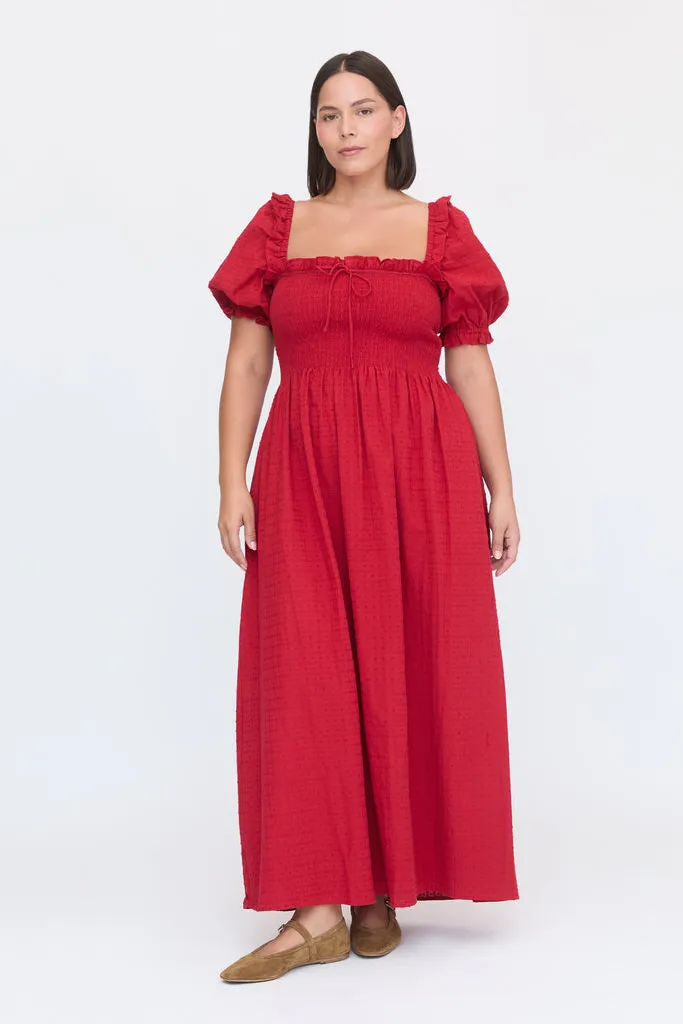
Online, the smocked style became a bellwether for how the 2020 pandemic had irrevocably pushed fashion in a more comfort-led direction. In parenting circles, the stretchy yet uncompromisingly cute dresses became a sleeper maternity hit. (At least for women who aligned with its Nantucket-coded ruffles and florals.) Moms who discovered Hill House’s snap-back smocking during pregnancy are now among the brand’s most loyal customers. "I wore my same size all through my twin pregnancy and then all after. I've gone through countless jean sizes and fluctuations in my weight just like anyone," Diamond says. "It's been so nice to have an old faithful that I can come back to no matter what."
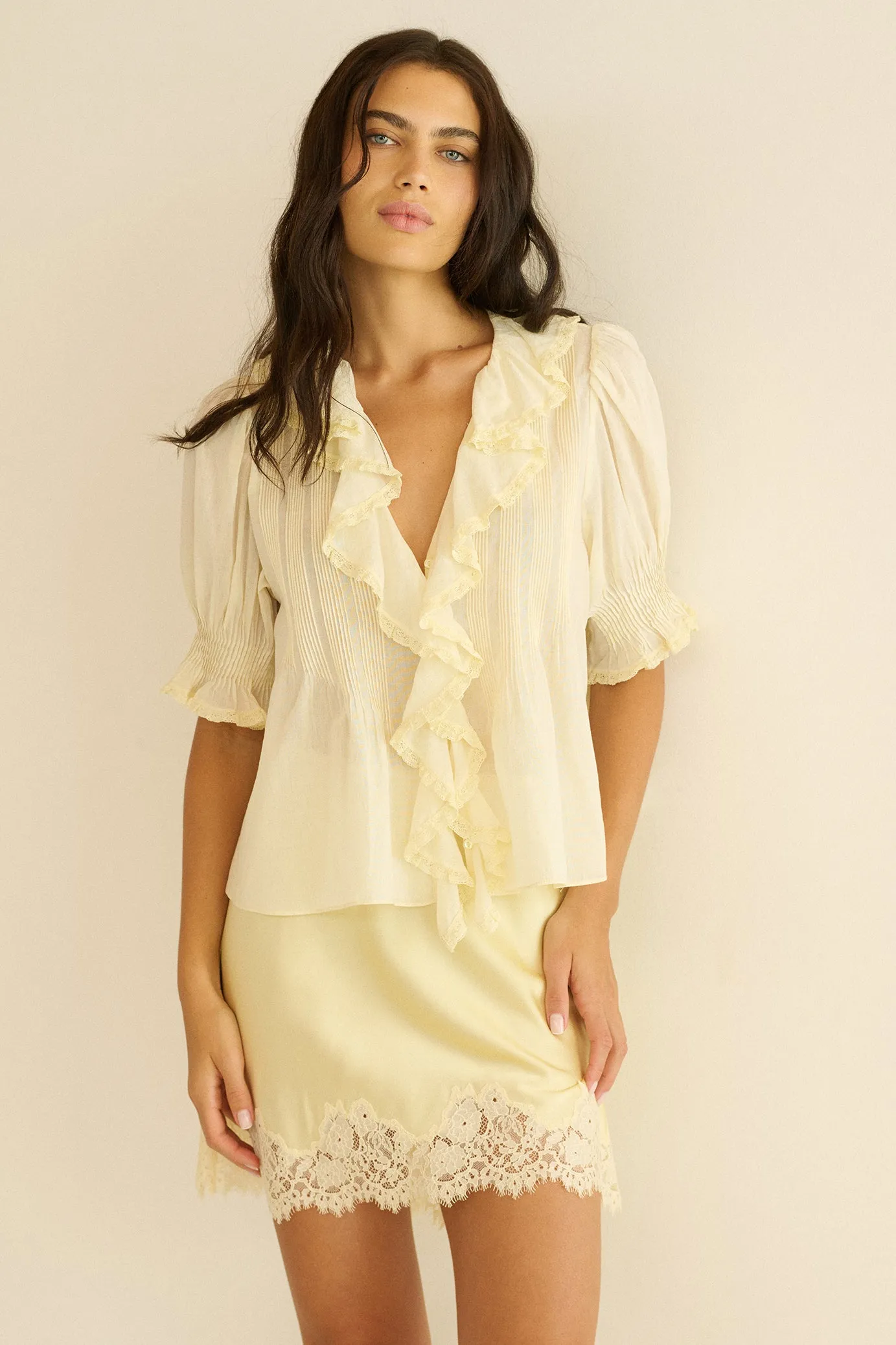
This is the sort of under-the-radar workaround bubbling up in the comments of all the "What happened to maternity clothes?" posts. Where mass retailers are falling short, smaller, women-led brands are considering a client’s potential life changes behind the scenes as part of their design process. Their standout pieces work regardless of pregnancy and—crucially—without changing sizes.
I don't want to sacrifice feeling like myself in a time when so much else is changing.
Brooke Bunce
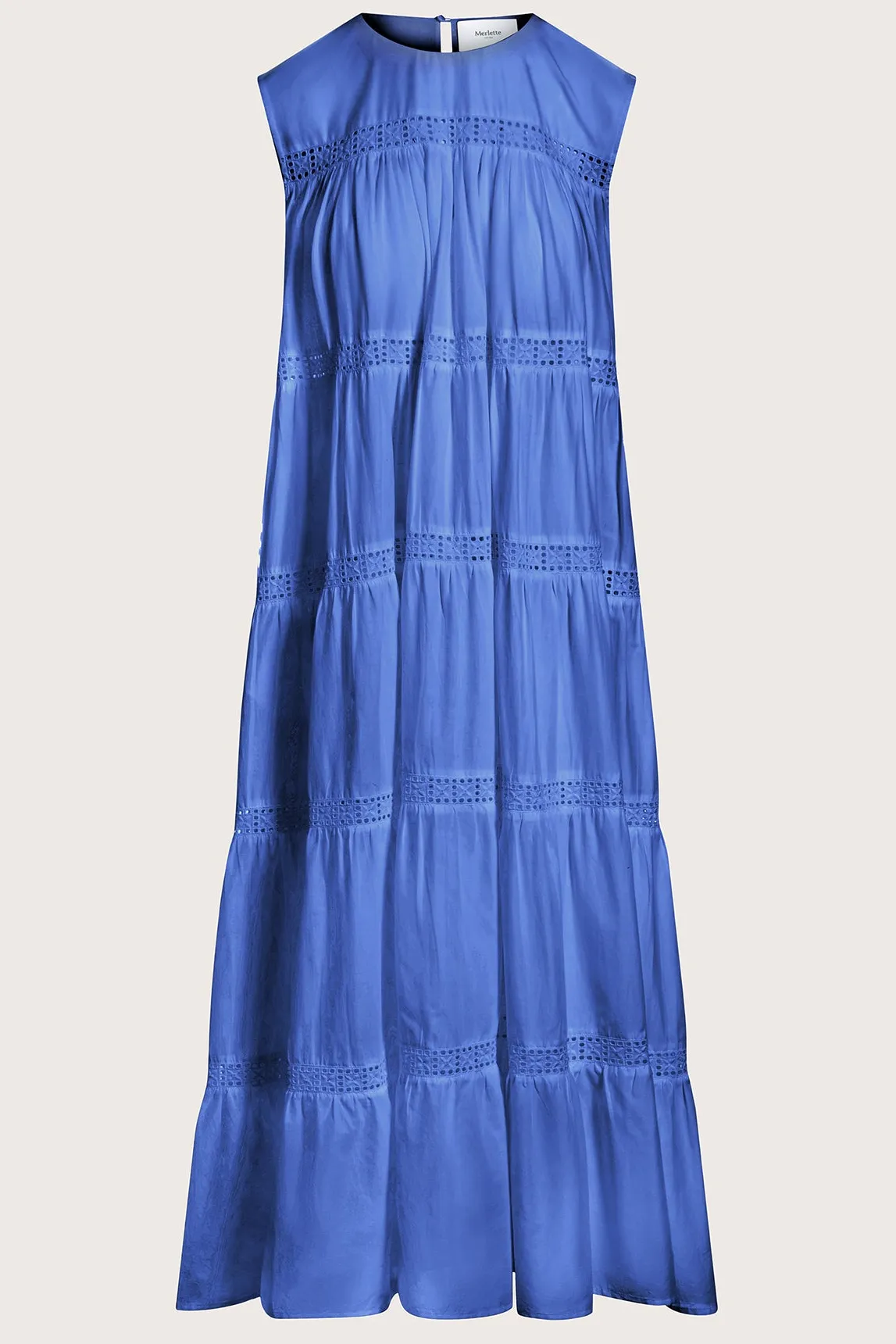
Reddit sleuthing and TikTok knowledge-sharing eventually helped me compile a list to order and test beyond nap dresses: Leset for splurging on a silky trouser, Sleeper for a matching set, and Merlette and Dôen for summer dresses. Every repeat recommendation I found in a Substack or BabyList forum showed that there’s a tad more range to what’s possible during pregnancy than a straightforward "best maternity clothes" Google search lets on.
Granted, the look can get homogenous when there are only so many crowd-favorites to go around: "So often the suggestions come from influencers or friends who recommend certain items based on their own experience," says Rachel Mohler Roberts, a tech founder and expecting mom. "While I do appreciate that, I want it to be easier to find a much more diverse set of items than the Donni pants that everyone has."
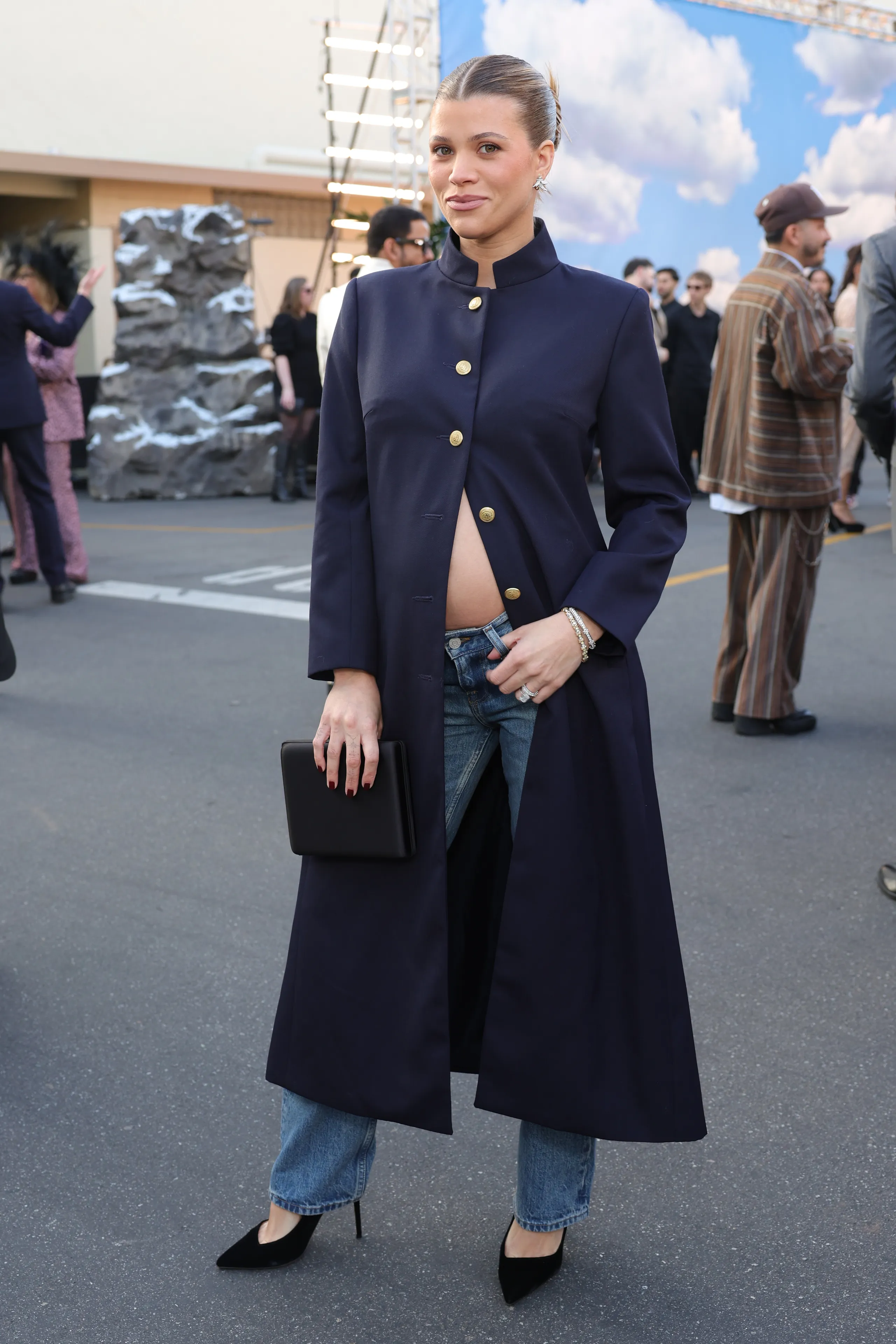
Sofia Richie Grainge, pregnant with her son, Henry, and styling an open-front coat.
To this end, influencer and festival fashion mecca Revolve has another approach as its first customers graduate from Coachella outfits to baby shower dresses: avoiding maternity labels entirely. Chief merchandising officer and fashion director Divya Mathur says that instead of resorting to the loungewear most maternity-specific brands offer, her team works with brands to coordinate exclusive dresses cut from "giving," belly-friendly fabrics. The retailer doesn’t believe in "segregating" maternity-friendly clothes into their own section.
It’s a well-intentioned stance, but if shoppers don't even know the option exists, it starts to look less like empowerment and more like convenience—for the retailer, not the mom. Bornstein, for one, believes brands with secret maternity hacks shouldn’t continue burying them on their websites. Self-described "fashion people" like her have insider knowledge of which brands still work during pregnancy—but that info should be accessible to anyone with a card to swipe and a WiFi signal. Casting pregnant models and more obvious online signposting should help.
And even though some moms find a workaround wardrobe that suits them style-wise, not all of them can afford an investment. This is where rental companies hope to step in. "I think the value proposition [for rental] becomes that much clearer for customers when they are pregnant," says Sky Pollard, head of product at the Urban Outfitters-owned rental site Nuuly. "Who wants to go out and buy a whole new wardrobe that is going to last you maybe three months?" Nuuly reports that 15 percent of its roughly 420,000 active monthly subscribers borrow maternity-friendly styles. There’s a give and take here, too: With inventory limited to six pieces a month, it's leaving moms with only so much to choose from.
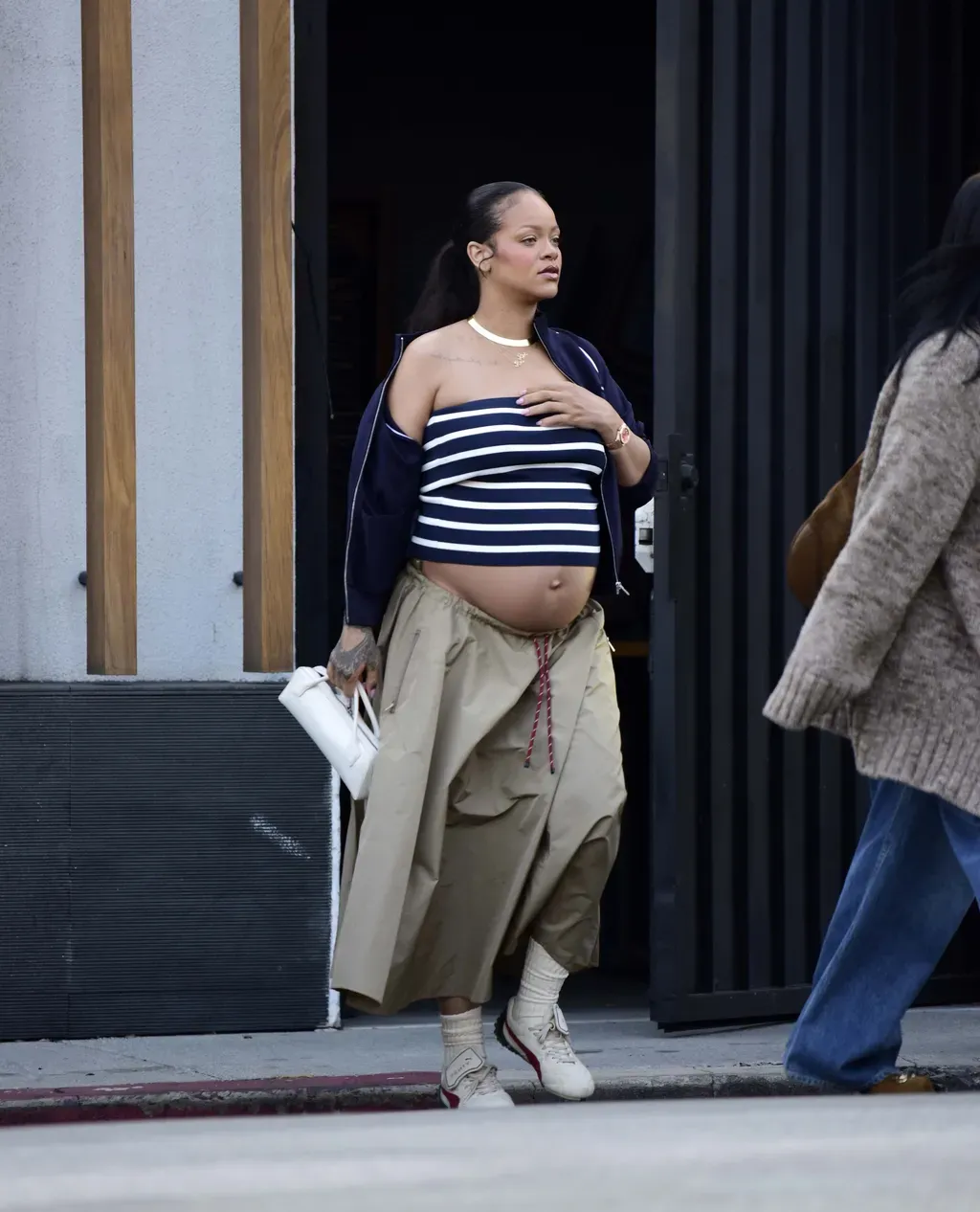
Rihanna, pregnant with her daughter, Rocki, and styling a cropped tube top.
For every mom who finds one outfit that works for her in the options above, there are still several stranded: the ones who can’t spend ten months at home in exclusively loungewear; who don’t see their tastes reflected in the narrow non-basics options; who aren’t sample size before their pregnancies and therefore can’t try a range of styling hacks; who most definitely aren’t living lives where they can mimic an A-lister’s stomach-as-accessory approach. But we don’t have to be left out.
The longer-term solution is a reinvestment that shows up both in-stores and online. That couldn’t happen over the course of writing a single essay, of course. So in my third trimester, I’ve been following the Hill House method: turning to brands I wore B.B. (Before Baby) and styling them around my bump within the limits of their size range the best I can. I’ve left the crop tops and low-slung cargoes to Rihanna, but I found a couple smocked dresses with enough stretch through the torso and a not-too-tight skirt. A robust closet, this does not make—but I keep reminding myself this is a season, anyway.
I still wish I had more true maternity options that spoke to me. The physical and mental exertion of pregnancy can sometimes make my extra research feel like a chore. (And that’s coming from someone who covers fashion for a living.)
For every mom who finds one outfit that works for her, there are still several stranded. But we don’t have to be left out.
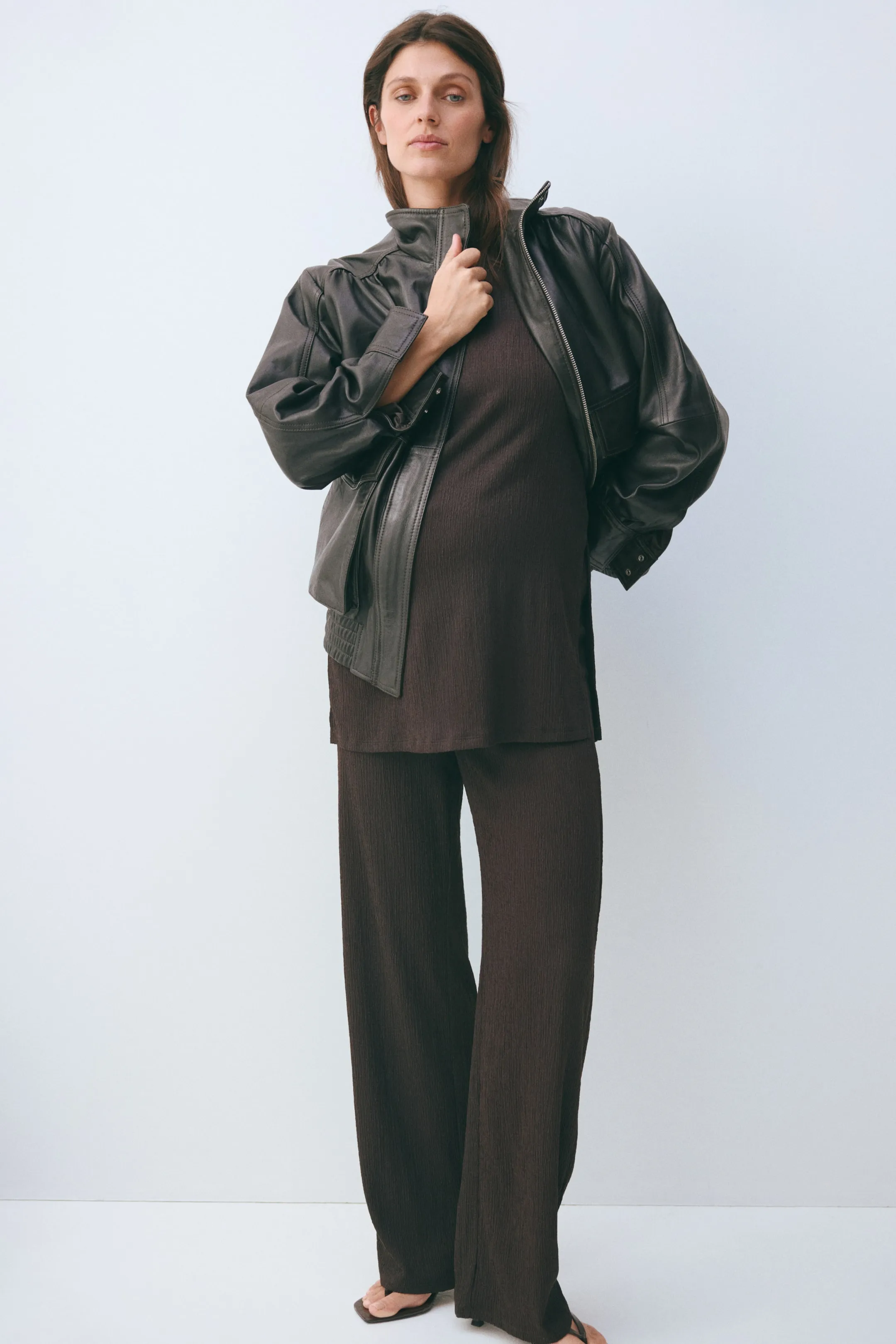
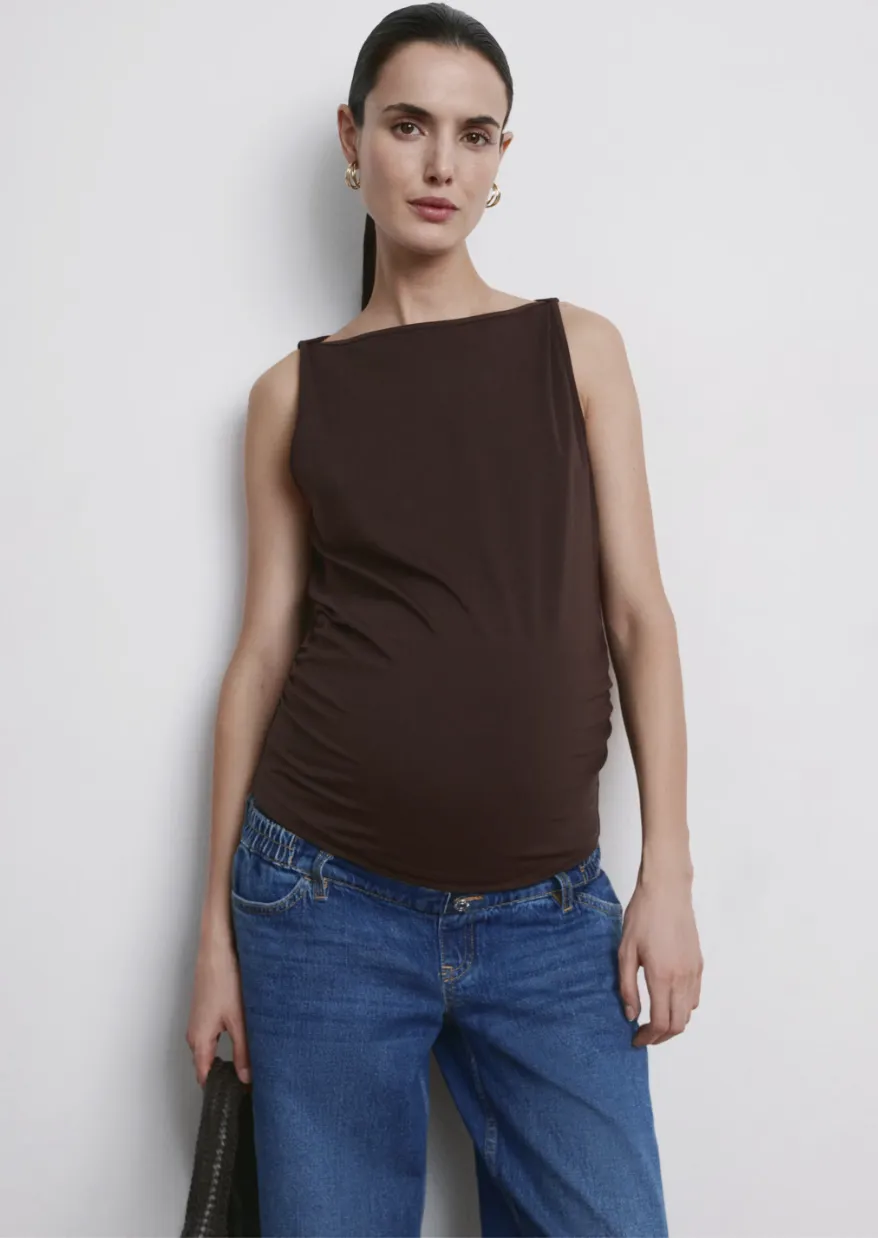
One of my only pregnancy-specific purchases so far was a chocolate-brown, sleeveless matching set. Very Issey Miyake, but make it budget-friendly. I’d tracked it down after scrolling through 11 of 13 pages in a mass retailer’s online-only maternity edit, compared with the 200-plus pages of non-maternity styles. The sizing was a gamble, but it fit on the first try.
A coworker stopped me when I wore it to the office. Her reaction was an accidental testament to the simple request my fellow moms have wanted from the maternity market all along: "I'm not pregnant, and even I would wear that."
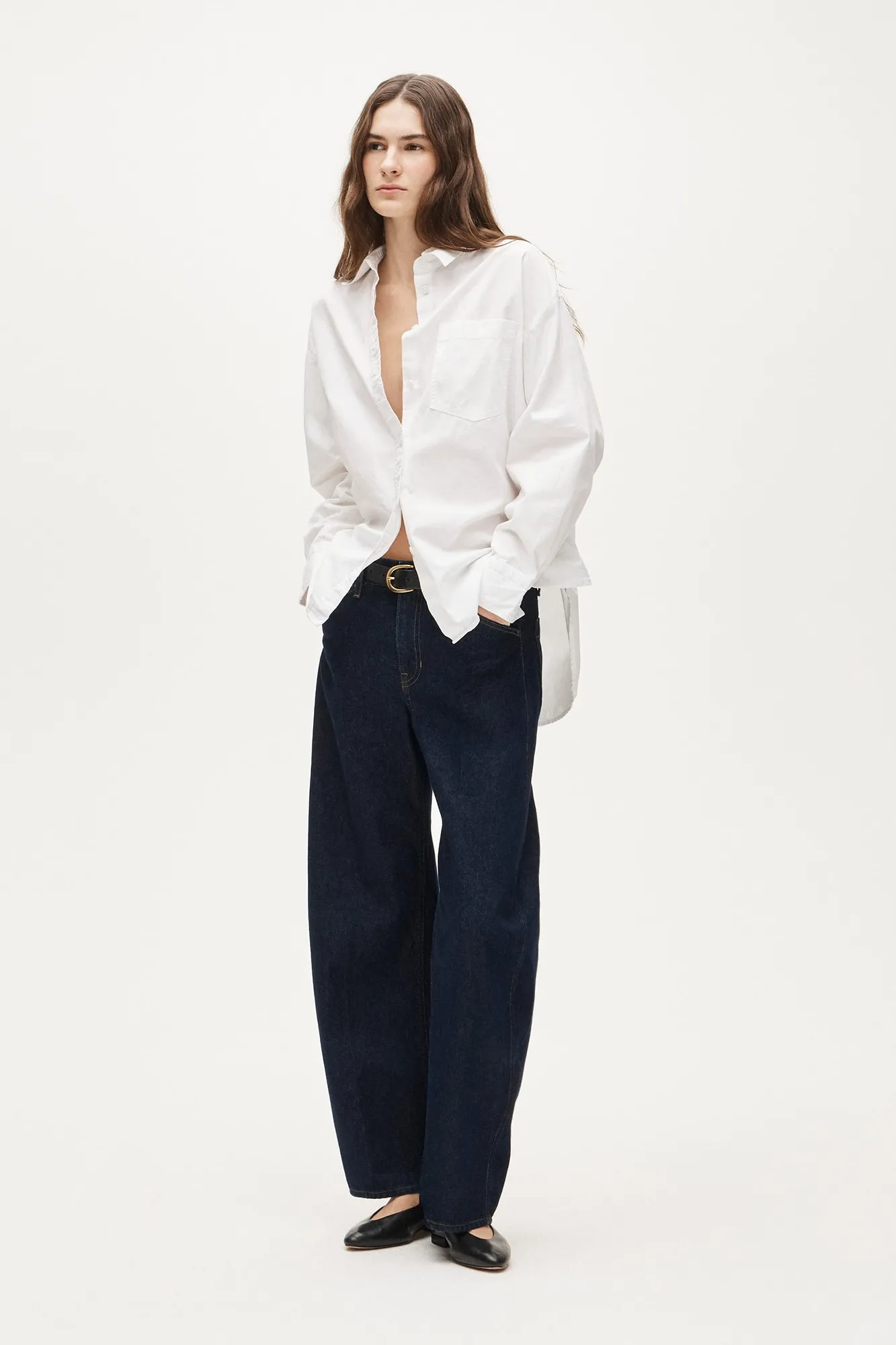
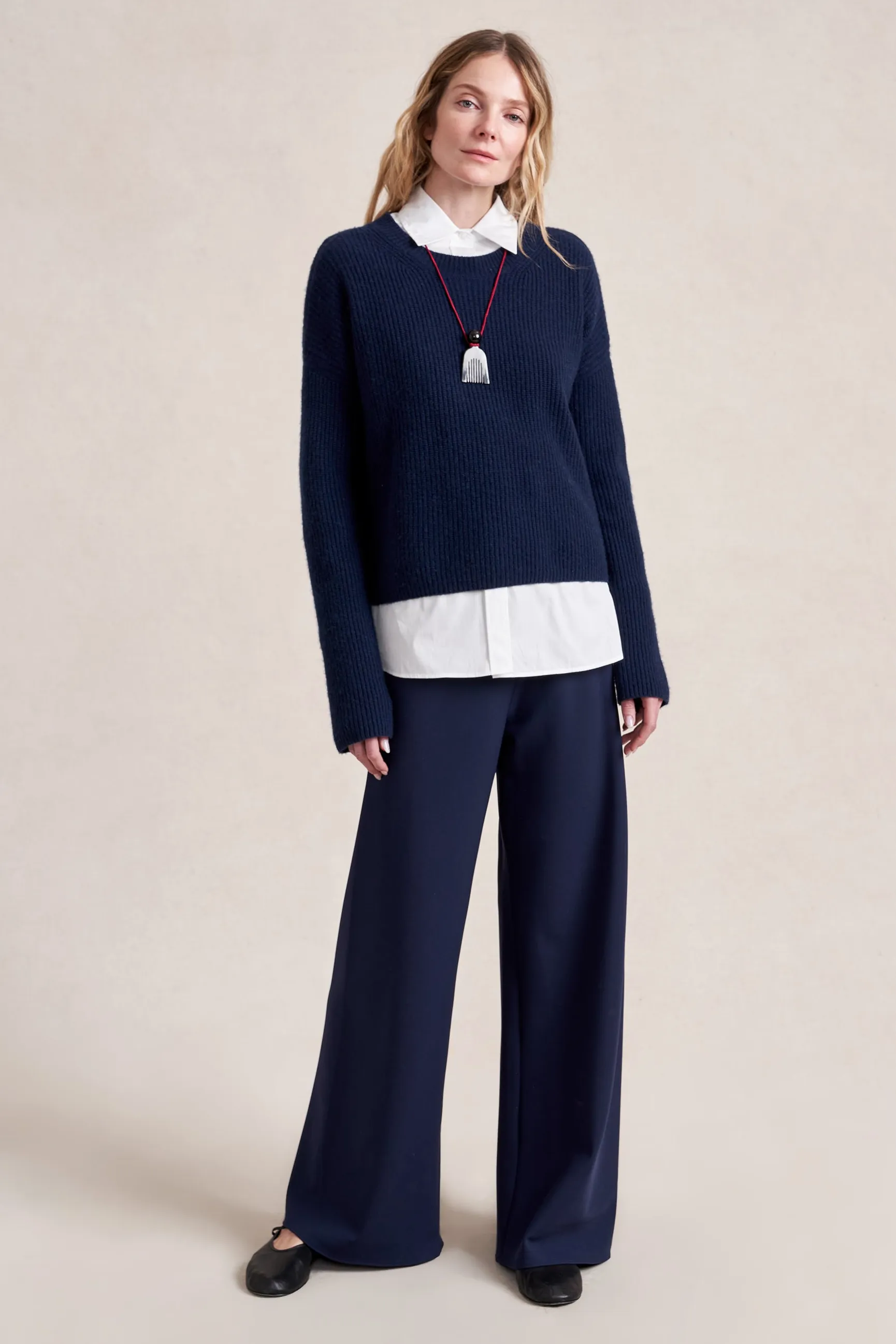
The Maternity (and Non-Maternity) Clothes That Worked for Me