Inside the Baby2Baby Boom
The nonprofit run by Kelly Sawyer Patricof and Norah Weinstein is known for its A-list ambassadors and West Hollywood galas. But celebrity is just a means to an end, with the group donating half a billion items to the moms and babies who need them.

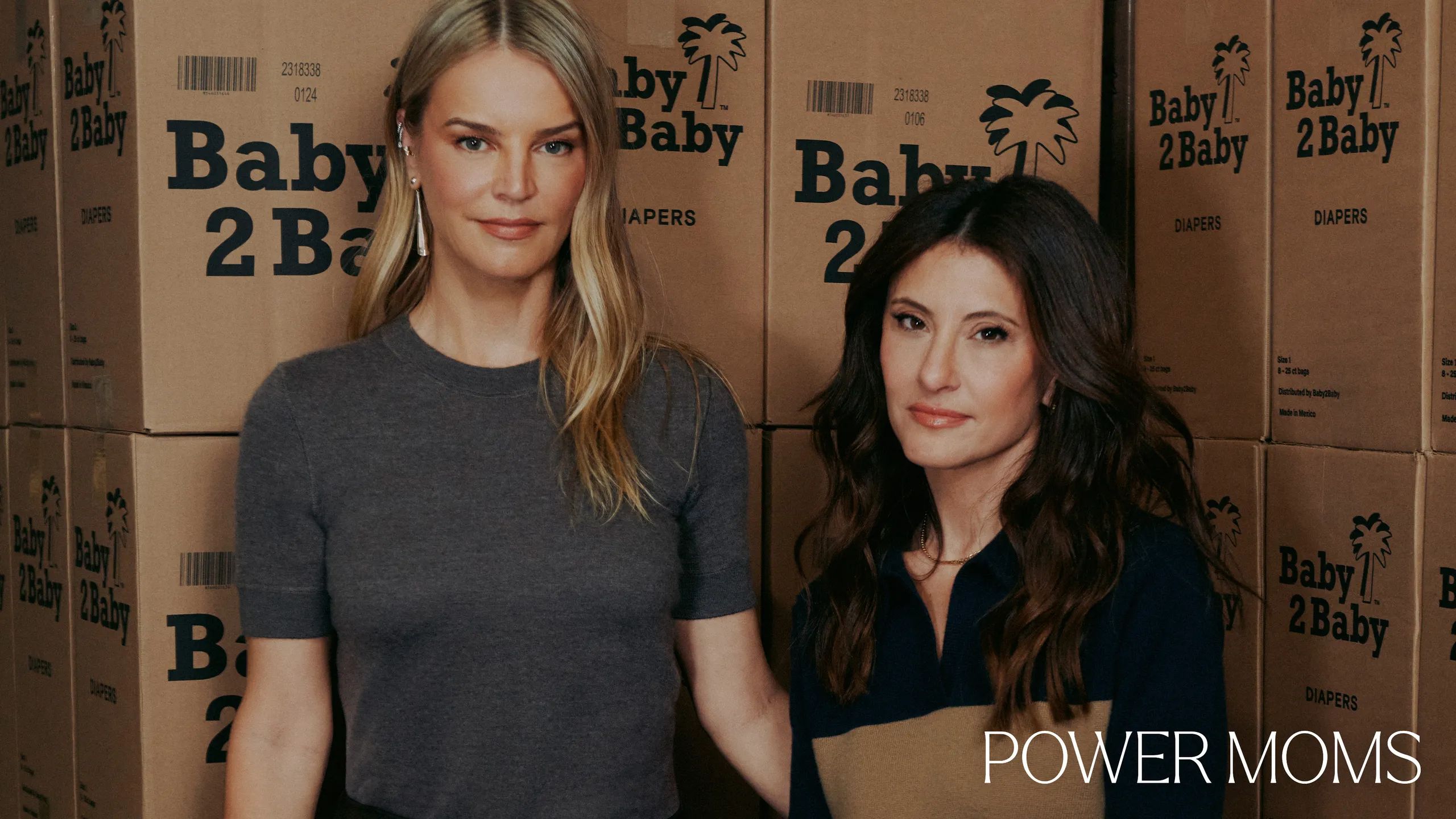
Kelly Sawyer Patricof and Norah Weinstein join our March Zoom call in infectiously high spirits. The Baby2Baby co-CEOs are bathed in Los Angeles sunshine, tuning in from their Culver City office at around 9 a.m. They tell me they’ve just come from their monthly all-hands staff meeting. “Every department shares their updates, and we do a lot of great work here, so those meetings always put us in a good mood,” Weinstein says.
Baby2Baby began in 2006 as a small grassroots L.A. resource for gently used baby items. But since Patricof and Weinstein—a former model and corporate lawyer, respectively—took over as co-CEOs in 2011, the organization has grown into a philanthropic empire reaching 1.5 million children living in poverty annually.
Over those 15 years, the nonprofit has distributed more than half a billion essential goods, from diapers and newborn formula to baby blankets and breast pumps. It has also amassed a slate of A-list supporters, known by Baby2Baby as “Angels,” who regularly write checks, post to their millions of Instagram followers, and personally hand out care packages to families in need. (In their Zoom background, I spy a photo of Patricof and Weinstein arm in arm with Kim Kardashian, Jessica Alba, Vanessa Bryant, and Olivia Wilde.) Baby2Baby’s annual fundraising gala in November has become a highlight on the West Hollywood social calendar; last year’s event honoring Serena Williams saw Prince Harry and Meghan Markle as guests and raised over $18 million for its mission.
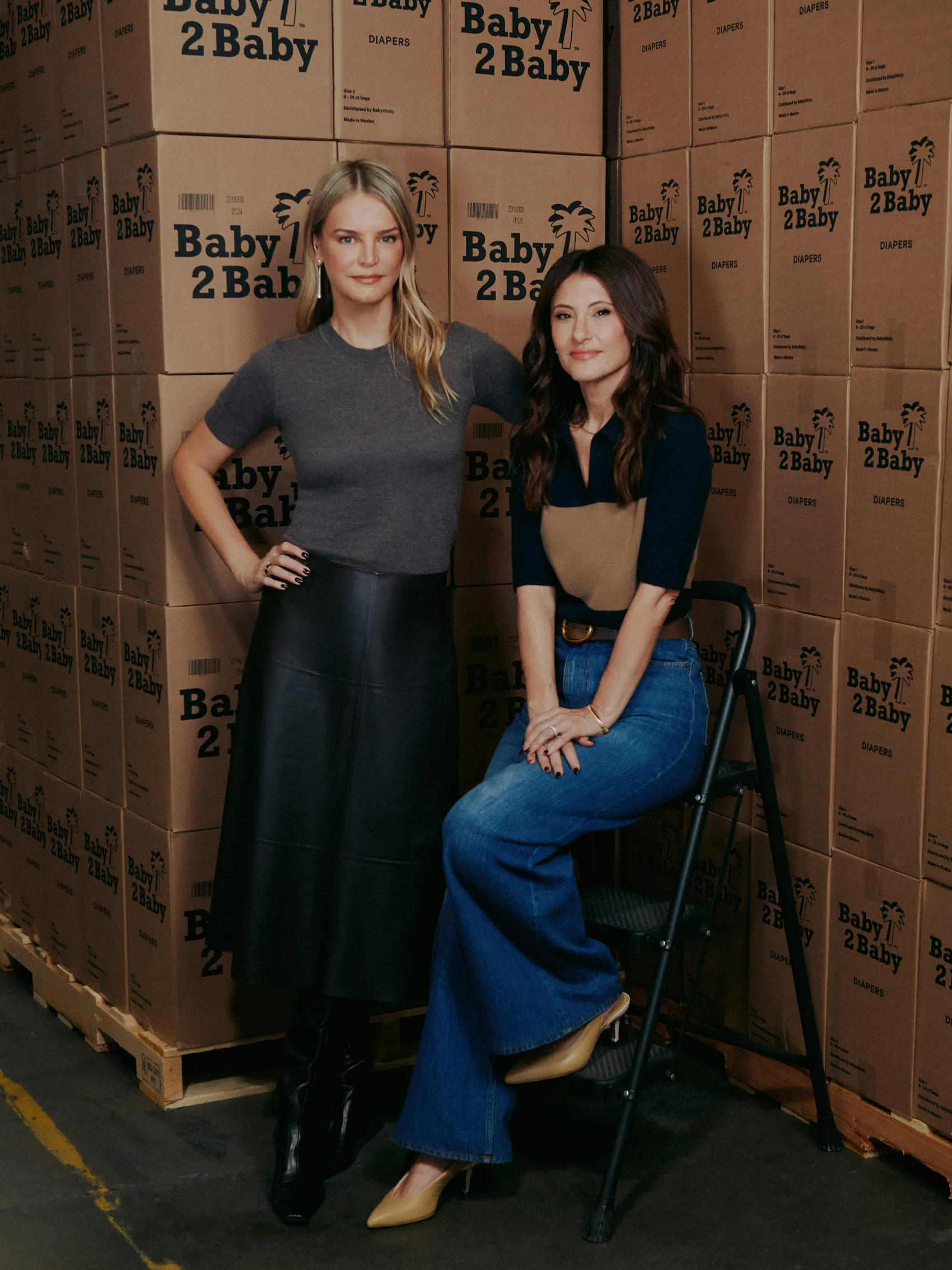
Kelly Sawyer Patricof (left) and Norah Weinstein
But to label Baby2Baby as just another celebrity-magnet charity would be inaccurate. Its work is substantive, and Patricof and Weinstein, both mothers to two children, follow an unyielding “do-it-yourself” ethos. In addition to donating brand-name diapers, Baby2Baby manufactures its own. In 2020, Patricof and Weinstein teamed up with Governor Newsom to successfully lobby California to remove the sales tax on diapers. It’s since led to a domino effect, with 13 states following suit.
Every milestone, though, comes with a clear-eyed understanding of what’s left on the table and who still needs help. “We're so proud to have distributed 270 million diapers since our inception, but we have requests for 1.9 billion and still have a lot of work to do,” Patricof says. But as we continue our chat, I ask them to take this time to celebrate their wins. Here, we discuss several of them, from challenging the stigma that charity work is a “bored housewife activity” and enacting policy change, to the pure joy of handing out Hot Wheels to five-year-olds.
Diapers are, and have been since the beginning, a core pillar of Baby2Baby. Why is that?
Norah Weinstein: When we first joined, we held many meetings with other organizations, social service agencies, homeless shelters, domestic violence shelters, and hospitals, and learned that the need was for very basic essentials like diapers. What we understood then—and what has made more sense in the last 15 years—is that if a mom cannot meet her baby's basic needs, she can't take advantage of any of the phenomenal programs out there, private, government, or otherwise. She can't even fill out an insurance form in an emergency scenario. That was a light-bulb moment for us that we now use as a teaching point with our team: we should always be listening and responding, rather than prescribing what people need.
It was a parallel experience putting together the kits for our program to combat the maternal health crisis, which we started in 2023 in partnership with the Biden White House and is now being piloted in 21 states. Last year, we received a historic $9 million grant from New York to give kits to every woman giving birth on Medicaid in the state.
But first we had to decide what to put in those kits. There's only so much room in those duffel bags, so we did a lot of research to find out what the moms and babies could use. We’re continually improving and innovating; when we get feedback from the moms that the diaper rash cream was more important than the vitamin D drops, we take that into account. We try to be very intentional in giving out things that are meaningful to the people who are getting them, the people who are the most important.
Kelly Sawyer Patricof: When we joined Baby2Baby, one in three families was struggling to afford diapers for their babies. It's gotten worse; now, one in two families is struggling. Diapers are the fourth-highest expenditure for a low-income family, after food, rent, and utilities. They're $80 to $100 per baby per month and aren’t covered by SNAP, WIC, or any other government assistance.
We try to tackle diaper need from all angles. Our diaper manufacturing system allows us to produce and distribute five times as many diapers at 80 percent less than retail, and we donate them to hospitals, homeless shelters, immigration centers, and other places. We launched the Goop Diapér in 2022 as a funny way to get people to pay attention to the fact that diapers are taxed like a luxury item. On our very first day in 2011, back in our tiny 600-square-foot space, Edelman PR called and asked if we wanted to do an event with Huggies to give away 100,000 diapers and $100,000. Now, 15 years later, Huggies is one of the sponsors of our maternal and newborn supply kits and gives us $8 million in product and monetary donations.
What drew you both to Baby2Baby back in 2011.
KSP: I was modeling in New York, but in my free time, I volunteered at a Head Start center in Harlem. I was inspired by the children I worked with; they lacked basic essentials and couldn't get an education. That was when the light bulb went off for me.
NW: While I was doing my day job in litigation at my law firm in New York, I was also doing pro bono work representing mothers. I felt a strong pull toward that kind of work and wanted to make sure it was part of my primary role. As well as both of us wanting to do something in this space, we also had big entrepreneurial instincts, and that drew us together initially.
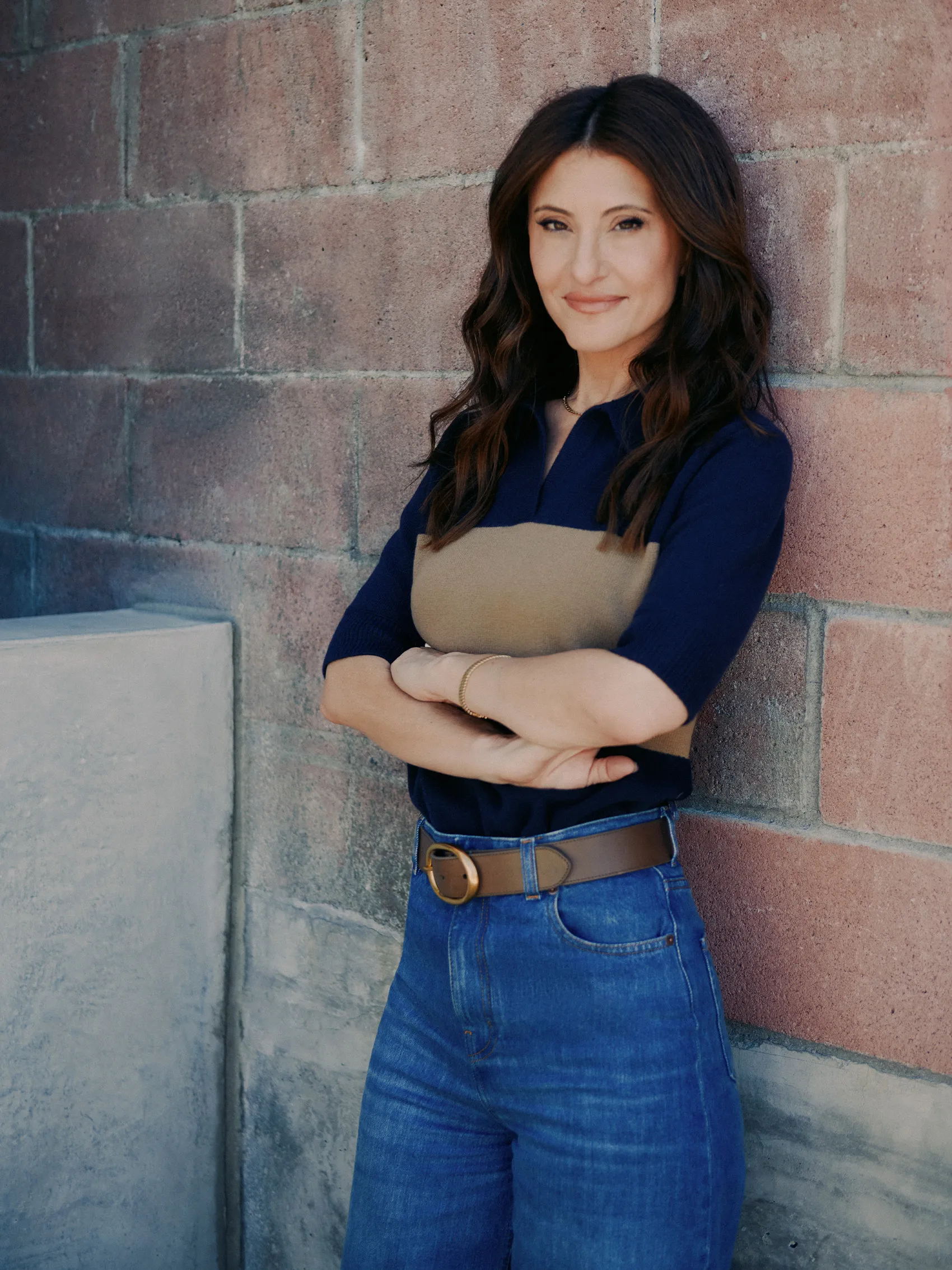
There’s a sexist stigma against philanthropy because yes, it is more of a women-led business, and women are drawn to it. But that just inspires us to work harder for the mothers we serve.
Kelly Sawyer Patricof
You run Baby2Baby more like a Fortune 500 than a charity. What does that look like day to day?
NW: We do have a bit of a chip on our shoulders about being pigeonholed as anything other than the successful business we feel so proud to be. There are a few differences in our tax status, in how we put money back into the business and into the families we serve. But aside from that technical nuance, everything about running Baby2Baby is the same as running a business, in terms of leadership, logistics, warehousing, growth, staff, and growing pains. We have over 70 employees. Ten warehouses across the country.
TIME recognized us as one of the most influential companies in the world [on the 2023 Time100 list], which meant a lot to us. They didn’t say, “Okay, here's Baby2Baby out on the side, doing something lesser than, different, or specific.” We're in the group with the big kids, where we deserve to sit, so that was meaningful.
KSP: There’s also a sexist stigma against philanthropy because yes, it is more of a women-led business, and women are drawn to it. But that just inspires us to work harder for the mothers we serve. In 2025, we raised $70 million in cash and distributed over $122 million worth of product donations. We're serving over a million children in all 50 states and have changed laws. We are pretty solid in the fact that we are doing the work. If people want to underestimate us, it'll make us keep working harder.
Women are at the heart and soul of what we do—from our colleagues and C-suite to our angel group and the mothers we serve—and I do think we've changed the narrative to show that that’s a very powerful thing. We want to make sure that people joining the workforce, who are intelligent, amazing humans, come to the nonprofit sector and don’t look at it as lesser than, because it isn't.
Tell me about Baby2Baby’s Angel network and the celebrity ambassadors you work with.
KSP: We don't shy away from the fact that we have a lot of celebrities involved because they move the needle in every way. Our annual gala is one of our biggest fundraising moments in large part because our Angels bring the spotlight onto Baby2Baby. Companies come to us not only because we can donate five million diapers and wipes, but also because we’ll host an event and one of our celebrity ambassadors will take photos and give the brand exposure.
NW: The women we work with show up and take pictures when needed, but they also roll up their sleeves and are substantively involved in our programmatic work. Jessica Alba and Nicole Richie were at our first Mother’s Day event 15 years ago. Julie Bowen flew with us to the state assembly to advocate for the removal of sales tax on diapers. It's people like Miranda Kerr and Kim Kardashian, who raise their hands at our galas to donate millions of dollars. It's women like Jen Garner, Jessica Alba, and Emma Grede, who give us millions of items from their companies, whether it's The Honest Company or Once Upon a Farm. It's women like Gwyneth Paltrow who, in the middle of COVID, wore masks and gave out items to people driving by in their cars. It's Vanessa Bryant, Ciara, Kelly Rowland, Olivia Wilde, Paris Hilton, and countless others, who, during the L.A. fires, were here every day packing bundles for families who had lost everything.
These women come to us because they connect with the mission. Issues certainly impact people to different extents, but some of these themes—like needing diapers and having sleepless nights—resonate across motherhood. When Ciara speaks to a mother at one of our events, they can both appreciate the vulnerability and difficulty of new motherhood, regardless of their different circumstances.
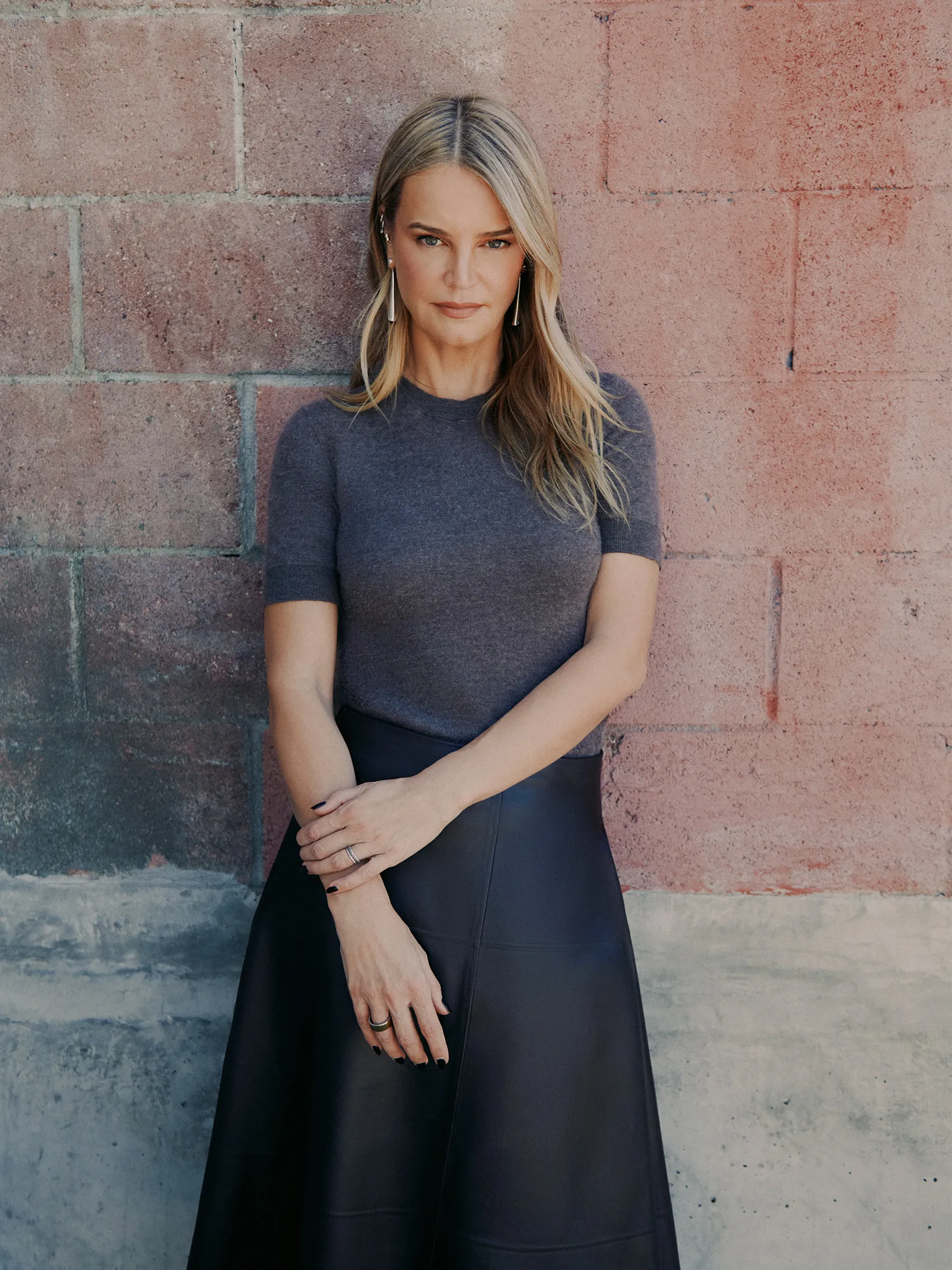
Issues certainly impact people to different extents, but some of these themes—like needing diapers and having sleepless nights—resonate across motherhood.
Norah Weinstein
What are some of the standout moments that left an impression on you from your 15 years at Baby2Baby?
NW: The children themselves are so inspirational, and always looking out for their siblings and family members. At our events, we create these magical toylands where kids can take home any toy they want. You might expect they’d want them for themselves, but every time, even the smallest child of five years old, they make sure to take something for their sibling at home. It's a beautiful reminder that people of the least means, who are struggling the most, have been taught to give back, which is what Baby2Baby's all about.
KSP: From day one, time and time again, we hear one through-line message from the parents at our distribution events: when we're able to provide diapers, and they can pay rent that month, put food on the table, and keep their lights on, we're not only providing basic necessities that they need—we're providing hope.
We also get very proud when we hear a new state has removed its diaper sales tax and clap for each one. Then we realize there are 23 states left to go, that diapers are still so expensive, the need is getting even greater, so we stop clapping and get back to work.
Photographer Shane McCauley | Hairstylist for Norah Melissa Uehara | Hair Stylist for Kelly Julie Ferrante | Makeup Artist for Norah Christina Lee Adams